
Antique furniture possesses a unique charm that tells stories of the past and adds character to any space. If you have some valuable pieces, you must give them special attention during cleaning to avoid common mistakes that could lead to irreversible damage.
Today, we want to tell you more about our experience cleaning antique furniture. We will point out potential hazards while cleaning, and provide essential tools and techniques for proper maintenance.
Whether you’re a seasoned collector or just starting, you’ll discover how to preserve the beauty of your antique treasures for generations to come.
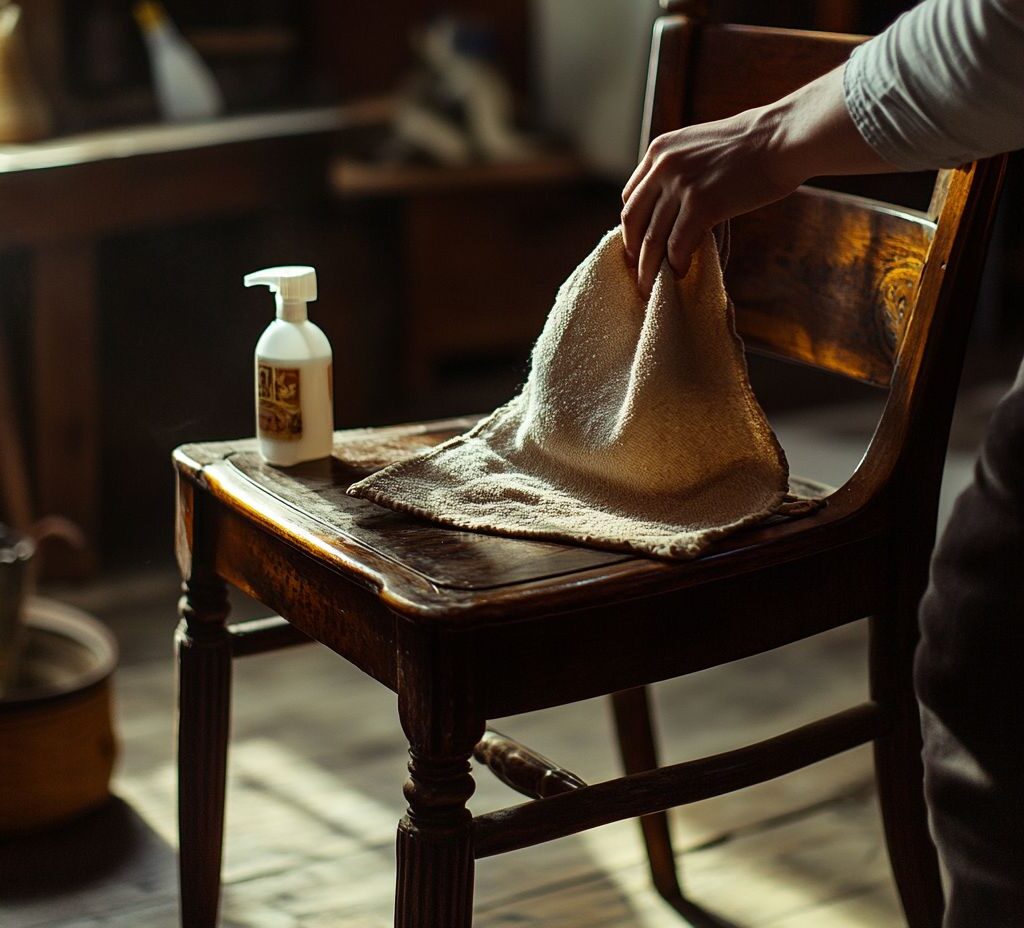
What Makes Antique Furniture So Appealing?
Understanding antique furniture means appreciating its unique characteristics, which showcase the craftsmanship and history behind different wood types. Think of antique furniture as a piece of art that tells the story of its era, including the techniques used in its creation and the materials chosen by skilled artisans.
By recognizing these details, you can better appreciate their value and significance in heritage conservation. Knowing how to preserve these pieces is essential for maintaining their integrity so future generations can enjoy their beauty just as you do.
What Makes Furniture Antique?
Furniture is considered antique when it hits the 100-year mark and showcases a level of craftsmanship that’s pretty rare these days. This combination makes it a hot commodity for collectors and historians alike. The age, craftsmanship, and historical significance of antique furniture add charm and value, with certain types often fetching a pretty penny in antique shops and auctions.
When discussing antique furniture, we’re looking at items with some age and flaunt exquisite craftsmanship. Intricate detailing or handmade techniques often highlight the artisan’s skill. Notable types include Chippendale and Victorian styles, each with unique flair, like bold carvings or elegant lines.
Historical significance is vital, too. Pieces that reflect specific cultural movements or historical events are most sought after. Remember that these antiques’ market value can fluctuate based on provenance, condition, and rarity. That’s why it’s essential for enthusiasts like you to stay in the loop about current trends and valuations in the antique world.
Typical Cleaning Mistakes to Avoid
When cleaning antique furniture, avoid common mistakes to prevent damage and keep pieces looking great for years. You might not realize it, but harsh chemicals or abrasive tools can strip away protective finishes or harm delicate surfaces, leading to some pretty expensive restorations.
Understanding the proper cleaning techniques and choosing safe products is essential for maintaining the integrity and beauty of your antique treasures.
Types of Damage to Look Out For
Antique furniture can suffer from various types of damage—scratches, moisture exposure, and pesky stains—that can seriously affect its value and beauty. If you want to keep your cherished pieces looking their best, it is critical to be proactive about damage prevention through careful handling and proper maintenance.
These beautiful items often experience wear and tear from everyday use, and even light scratches can ruin their intricate surfaces. Moisture can be especially harmful, causing warping or mould growth if not addressed quickly. Plus, stains from spills can become permanent if left to sit too long.
To tackle these issues, it’s essential to use coasters and placemats to protect surfaces from heat and liquids. Regular dusting with a soft cloth will help maintain that gorgeous finish, and applying a suitable wax or polish can offer even more protection. By doing this, you can ensure these timeless treasures stay in top shape for generations.
Tools and Materials for Cleaning Antique Furniture
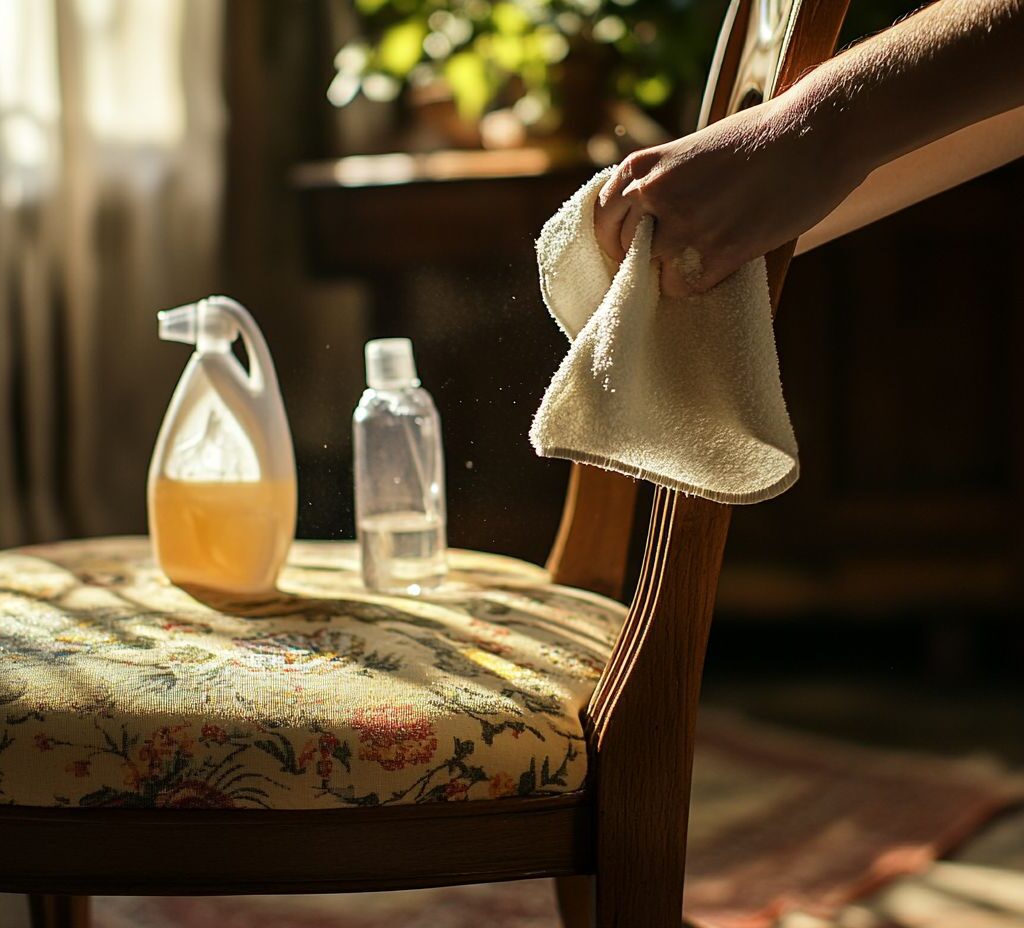
Choosing the right tools and materials for cleaning your antique furniture is crucial to maintaining its beauty and structural integrity. Using the right cleaning tools, like soft cloths or microfiber cloths, along with gentle cleaning solutions, will help you easily remove dust and stains without causing any damage.
Consider natural cleaners, such as vinegar and essential oils, as they offer an eco-friendly way to maintain your treasured antique pieces.
Recommended Supplies and Equipment
A well-curated furniture care kit is a good idea for effective cleaning and maintenance of your antique furniture. This should include all the essential cleaning and restoration supplies you need. Think of safe products like mild soap, natural cleaners, and some handy household items to help you keep your antiques in tip-top shape.
When putting together your ideal furniture care kit, consider adding lint-free cloths, soft bristle brushes, and a gentle furniture polish made explicitly for antiques. These items will help you preserve the finish of your vintage pieces while efficiently removing dust and grime. Choosing natural products over harsh chemicals is also super important, as many conventional cleaners can irreversibly damage delicate surfaces.
Adding colour-safe and eco-friendly options to your kit protects your furniture’s integrity and shows your commitment to sustainability. With the right supplies at your fingertips, cleaning becomes a breeze and enjoyable, helping your cherished antique treasures last longer and look beautiful.
Step-by-Step Guide for Cleaning Antique Furniture
Here’s a handy step-by-step guide for cleaning antique furniture. It will help you follow the right procedures for gentle cleaning without risking damage.
Start with some prep work, like removing dust, then move on to surface cleaning techniques that keep the wood and finishes intact.
By following this guide, you’ll learn effective cleaning methods and maintenance tips that will boost the longevity of your precious antique pieces.
Preparation and Cleaning Techniques
Preparing your antique furniture for cleaning is super important, and it starts with a thorough dusting. You’ll want to plan your cleaning frequency based on how much you use the furniture and how much exposure it gets to the elements. Proper surface cleaning techniques will help you avoid damage and keep your antiques looking pristine for years.
Take a moment to assess the environment where your furniture lives. For example, if you have pieces in sunny spots, they’ll probably need more frequent cleaning to deal with dust buildup and UV damage. Start by gently removing dust with a soft, lint-free cloth or a feather duster, paying extra attention to those intricate carvings.
Regarding deeper cleaning, consider specific methods, like using a damp cloth with mild soap and water or specialized wood cleaners that won’t strip away the finish. And don’t forget to polish with a suitable wax or oil regularly to maintain that protective barrier. First, test any product in a hidden spot to ensure it plays nicely with the finish.
Preserving and Maintaining Antique Furniture
Preserving and maintaining antique furniture is essential for keeping its beauty and value for future generations. Implementing regular maintenance routines, like dusting and using suitable cleaning agents, can protect antique finishes and prevent damage.
Sticking to a solid cleaning schedule and applying preventative measures will go a long way in enhancing the longevity of your cherished pieces.
Tips for Long-Term Care and Preservation
For the long-term care and preservation of your antique furniture, consistent upkeep and a keen eye for detail are crucial to protecting the wood and enhancing its natural beauty. It’s all about those cautionary tips—like steering clear of direct sunlight and keeping humidity levels in check—to prevent damage and help your antique pieces retain their value over time.
Regular cleaning is necessary, but ensure you use the right products that won’t strip the finish or harm the wood. A soft cloth with a mild soap solution works wonders for dusting without causing wear.
Remember to use coasters and avoid placing heavy items directly on the surfaces to prevent scratches and dents. Now and then, applying a protective wax or polish can create a barrier against moisture and dirt, keeping everything looking pristine.
By following these maintenance routines, you preserve the aesthetic charm of your antique furniture and pay homage to its historical significance. Remember, these protective measures are vital for ensuring the longevity of your cherished heirlooms.
Professional Restoration and Conservation
Sometimes, DIY cleaning won’t cut your antique furniture, especially if the damage is more than you can handle. That’s where professional restoration and conservation come into play.
By seeking out expert cleaning services specialising in antique restoration, you can be sure your valuable pieces are in good hands. They’ll treat your antiques with the care and expertise they deserve, helping to preserve their historical significance and boosting their antique value.
When to Seek Professional Help
Figuring out when to bring in the pros for antique furniture care involves assessing the damage and understanding the limits of your DIY cleaning skills. If you’re dealing with extensive damage that your regular cleaning supplies can’t handle, it’s probably time to contact furniture experts for restoration supplies and services.
Since antique items have unique quirks and historical significance, it’s important to spot signs of deterioration. Look out for deep scratches, water damage, loose joints, or faded finishes—these clues often mean it’s time to call the professionals for restoration.
If you notice signs of pest infestations or significant structural problems, get a specialist on board to ensure the piece is treated and preserved correctly. Restoration services typically cover refinishing, reupholstering, and structural repairs, helping your antique furniture keep its charm and functionality for generations.
Knowing when to get help can save you time and money in the long run.